

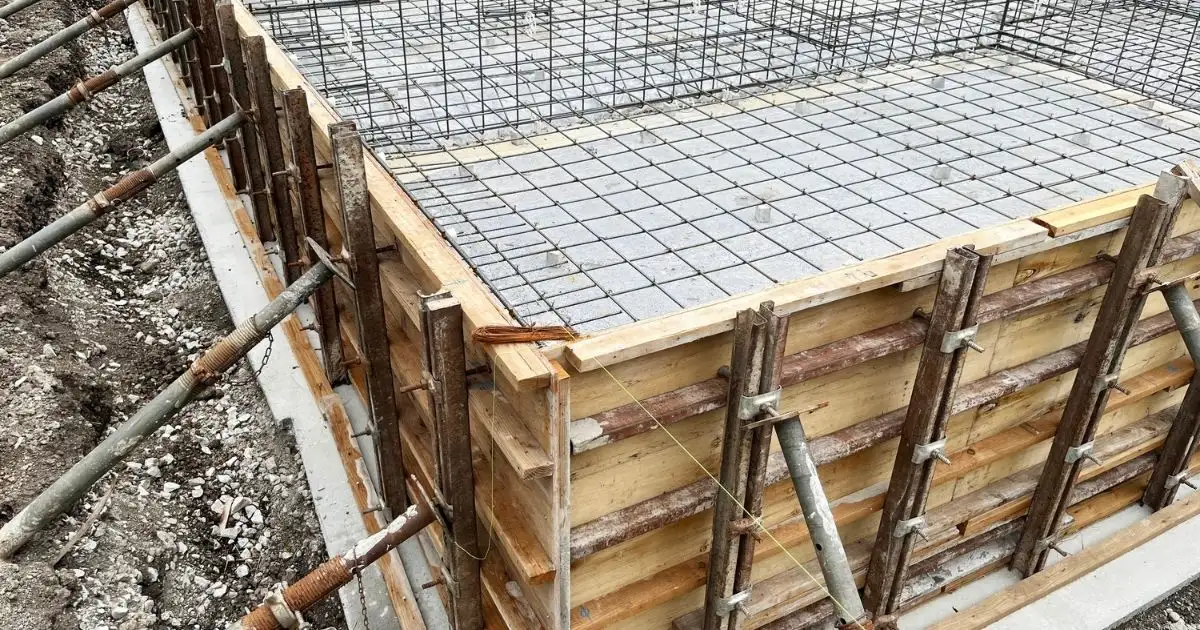
Foundations transfer the weight of a building into the ground, so the concrete you use must suit the project and ground conditions. The right concrete mix depends on the type of foundation, structural requirements, exposure conditions and specifications provided by the engineer or building designer.
For many residential foundation projects, contractors use standard-strength concrete grades such as C20 or C25, while projects with higher structural requirements may need stronger concrete. You should always follow the concrete grade specified for the project rather than choosing a grade based only on the building type.
What Concrete Grade Is Used for Foundations?
Concrete suppliers offer different grades for different construction requirements. The grade indicates the concrete’s characteristic compressive strength.
Common grades include:
- C15 concrete can suit certain non-structural applications, but you should only use it for foundations when the project specification allows it.
- C20 concrete can suit some residential foundation and general construction applications where the project specification requires this strength.
- C25 concrete provides higher strength than C20 and can suit foundation work where the design calls for it.
- C30 concrete provides greater compressive strength and can suit structural applications that require a higher-strength mix.
- C35 and C40 concrete can suit projects with higher structural or performance requirements when the engineer specifies the appropriate grade.
The correct grade depends on the structural design. You should check the drawings or speak with the project engineer before ordering foundation concrete.
What Is the Best Concrete for House Foundations?
There is no single concrete grade that works for every house foundation.
For many domestic projects, C20 or C25 concrete may suit the required foundation specification. However, the engineer or building designer should determine the required concrete strength based on the building, ground conditions and structural requirements.
The foundation design can also affect the concrete specification. A simple extension may have different requirements from a new-build house or a larger structural project.
What Is Trench Fill Concrete?
Trench fill concrete fills a foundation trench to create a solid foundation below the proposed structure.
Contractors excavate the trench to the required depth and width before placing the concrete. The concrete fills a large part of the trench, which can reduce the amount of blockwork or brickwork required below ground level.
Trench fill foundations can work well when the ground conditions and foundation design support this method.
What Is Strip Foundation Concrete?
A strip foundation uses a continuous strip of concrete beneath a load-bearing wall.
The concrete distributes the building load across the ground and provides a stable base for the wall above.
The required foundation width, depth, reinforcement and concrete specification depend on the building design and ground conditions.
How Thick Should Foundation Concrete Be?
Foundation thickness does not have one standard measurement for every project.
The required dimensions depend on factors such as:
- The building load affects the foundation size and concrete requirements.
- The ground conditions affect how the foundation transfers loads into the soil.
- The foundation type affects the required concrete dimensions.
- The building design determines the structural requirements.
- Local building regulations and engineering specifications can affect the foundation design.
You should follow the dimensions shown on the approved foundation drawings rather than choosing the thickness yourself.
How Much Concrete Do You Need for Foundations?
You can calculate the concrete volume by multiplying the length, width and depth of each foundation section.
Use this formula:
Length × Width × Depth = Concrete Volume in m³
For example, if a foundation trench measures:
- The trench measures 20 metres in length.
- The trench measures 0.6 metres in width.
- The trench measures 0.5 metres in depth.
The calculation becomes:
20 × 0.6 × 0.5 = 6 m³
You would therefore need approximately 6 cubic metres of concrete for that section.
If the foundation contains several sections with different dimensions, calculate each section separately and add the volumes together.
Should You Order Extra Concrete for Foundations?
You should calculate the foundation volume carefully before ordering concrete. Uneven excavation can affect the actual volume required, particularly when the ground does not maintain a consistent width or depth.
However, you should not simply add a large amount to your order.
You should:
- Measure the foundation trenches as accurately as possible before placing the order.
- Check the depth and width at several points when the ground varies.
- Calculate separate sections when the foundation has different dimensions.
- Discuss the calculated quantity with your concrete supplier before confirming the order.
- Consider how the supplier will deliver and place the concrete on the site.
A supplier can help you review the estimated quantity, but the project designer or engineer remains responsible for the foundation design.
How Do You Prepare Foundation Trenches for Concrete?
Good preparation helps the concrete form the foundation correctly.
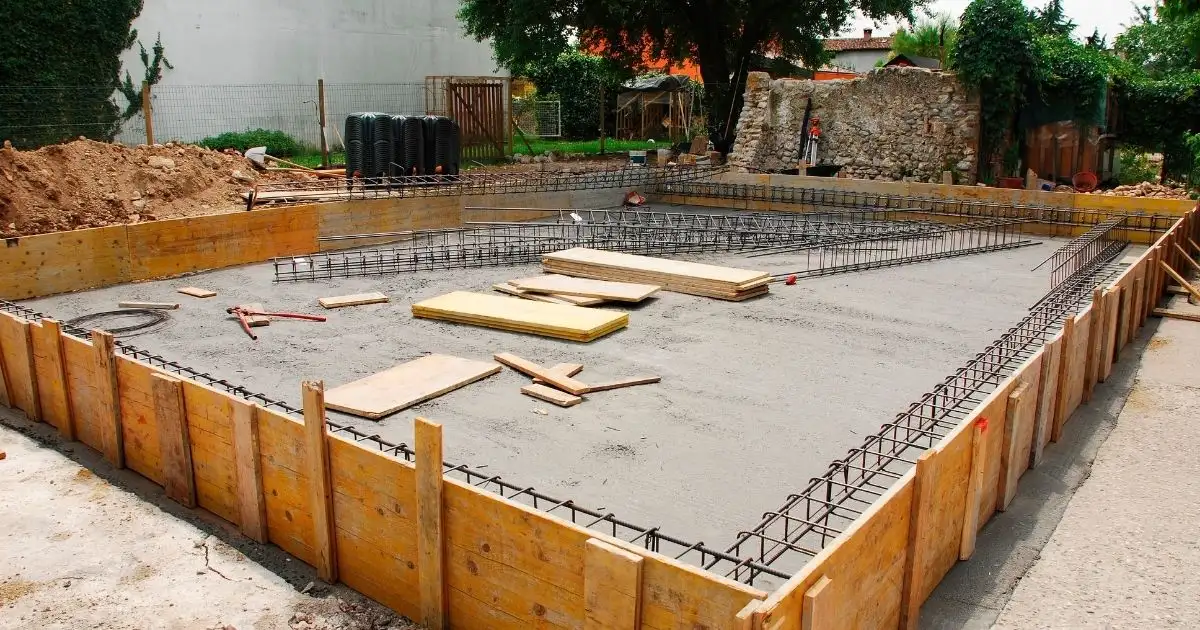
Before the concrete arrives, you should make sure that:
- The excavation follows the dimensions shown on the foundation drawings.
- The trench base provides a suitable and stable surface for the concrete.
- Loose soil, standing water and debris do not remain in the trench.
- The foundation layout matches the approved design.
- Reinforcement sits correctly when the design requires reinforcement.
- The site provides suitable access for the concrete delivery vehicle.
- The team has the equipment needed to place and level the concrete.
You should resolve problems with the excavation before arranging the concrete delivery.
Does Foundation Concrete Need Reinforcement?
Some foundations require reinforcement, while others do not.
The engineer or structural designer determines whether the foundation needs reinforcement based on the project design and ground conditions.
If the design requires reinforcement, the contractor must install it correctly before the concrete pour.
You should never add or remove reinforcement based only on general advice because the correct reinforcement depends on the specific foundation design.
Can You Use Mix-on-Site Concrete for Foundations?
Yes. Mix-on-site concrete can be used for foundation trenches and other foundation applications.
A volumetric mixer truck carries the required materials separately and produces the concrete at the construction site.
This approach can provide useful flexibility when the project requires adjustments to the concrete quantity.
Mix-on-site concrete can suit foundation projects because:
- The supplier can produce concrete at the construction site when the project requires it.
- The operator can produce the required quantity instead of relying entirely on one fixed pre-mixed load.
- The project can reduce the risk of unused concrete when the final trench volume differs from the estimate.
- The supplier can discuss the required concrete grade before production begins.
- The concrete can be supplied directly to the foundation area or used with a suitable concrete pump when site access requires it.
Can Concrete Be Pumped Into Foundation Trenches?
Yes. A concrete line pump can move concrete from the delivery point to foundation trenches when the mixer truck cannot reach the required location.
Concrete pumping can help when:
- The foundation sits behind a building or property.
- The site has restricted vehicle access.
- The trenches sit a significant distance from the delivery position.
- The project requires controlled concrete placement.
- The concrete truck cannot safely position close to the foundation.
You should discuss the site layout with the concrete supplier before delivery so the supplier can determine whether a line pump would suit the project.
What Concrete Strength Should You Use for an Extension?
An extension does not automatically require one specific concrete grade.
The required concrete strength depends on the foundation design, ground conditions, building loads and structural calculations.
For some domestic extensions, the specification may call for C20 or C25 concrete. Other projects may require a different grade.
Always follow the concrete grade stated in the structural drawings or provided by the engineer.
Can You Pour Foundation Concrete in Wet Weather?
Rain does not automatically prevent a concrete pour, but heavy rainfall can create problems during foundation work.
Standing water in the excavation can affect the concrete placement and site conditions. The contractor should manage water in the trench before the pour and protect freshly placed concrete from severe weather where necessary.
You should discuss poor weather conditions with the contractor and concrete supplier before the delivery arrives.
How Long Does Foundation Concrete Take to Cure?
Concrete does not reach its full design strength immediately after placement. It gains strength as it cures over time.
The curing period depends on the concrete mix, temperature, moisture conditions and project requirements.
You should not load or build on the foundation simply because the concrete has become hard on the surface. The contractor should follow the project specification and engineering requirements before continuing construction.
What Should You Tell the Concrete Supplier?
Give the supplier enough information to plan the delivery correctly.
- You should provide the estimated concrete volume in cubic metres.
- You should confirm the concrete grade specified for the foundation.
- You should provide the delivery address and site location.
- You should explain whether the project involves strip foundations or trench-fill foundations.
- You should describe the access available for the concrete mixer.
- You should explain whether the concrete needs pumping into the trenches.
- You should provide the preferred delivery date and time.
- You should mention any site restrictions that could affect the delivery.
Frequently Asked Questions
What Is the Best Concrete Grade for Foundations?
There is no universal concrete grade for every foundation. C20 and C25 can suit some domestic foundation projects, but you should use the grade specified by the engineer or building designer.
Is C20 Concrete Suitable for Foundations?
C20 concrete can suit some foundation applications when the project specification calls for it. You should confirm the required grade before ordering.
Is C25 Concrete Stronger Than C20?
Yes. C25 concrete has a higher characteristic compressive strength than C20 concrete.
Can You Use C30 Concrete for Foundations?
Yes, C30 concrete can suit foundation applications when the structural design specifies it. You should not choose C30 simply because it has a higher strength than C20 or C25.
How Do I Calculate Foundation Concrete?
Multiply the length, width and depth of each foundation section in metres. Add the results together to calculate the total concrete volume in cubic metres.
Can Mix-on-Site Concrete Be Used for Foundation Trenches?
Yes. Mix-on-site concrete can supply foundation trenches using a volumetric mixer truck. The supplier can produce the required concrete at the construction site.
Do Foundation Trenches Need a Concrete Pump?
Not every foundation requires pumping. A line pump can help when the mixer truck cannot reach the trenches because of distance, restricted access or the site layout.
Final Words
The best concrete for a foundation depends on the project specification, ground conditions, foundation design and structural requirements. C20 and C25 concrete can suit some domestic foundation projects, while larger or more demanding structures may require higher-strength concrete.
Before ordering, confirm the required concrete grade, calculate the foundation volume accurately and check the site access. If the mixer truck cannot reach the foundation trenches, a concrete line pump can help place the concrete where you need it.
Following the foundation design and ordering the correct concrete specification can help the project progress safely and efficiently.